
How Families Are Planning Winter Trips Around Together Time Instead of Activities
Winter travel used to mean a full itinerary, early alarms, and a checklist of things to do. Lately, many families are shifting priorities. They still want a beautiful destination, but they are planning for connection first. The focus is less on activities and more on time that feels shared, unhurried, and easy to remember.
This change makes sense in winter. Days are shorter. Weather can be unpredictable. Kids and adults often arrive tired from school and work. A trip that supports togetherness, without constant logistics, can feel like a real reset.
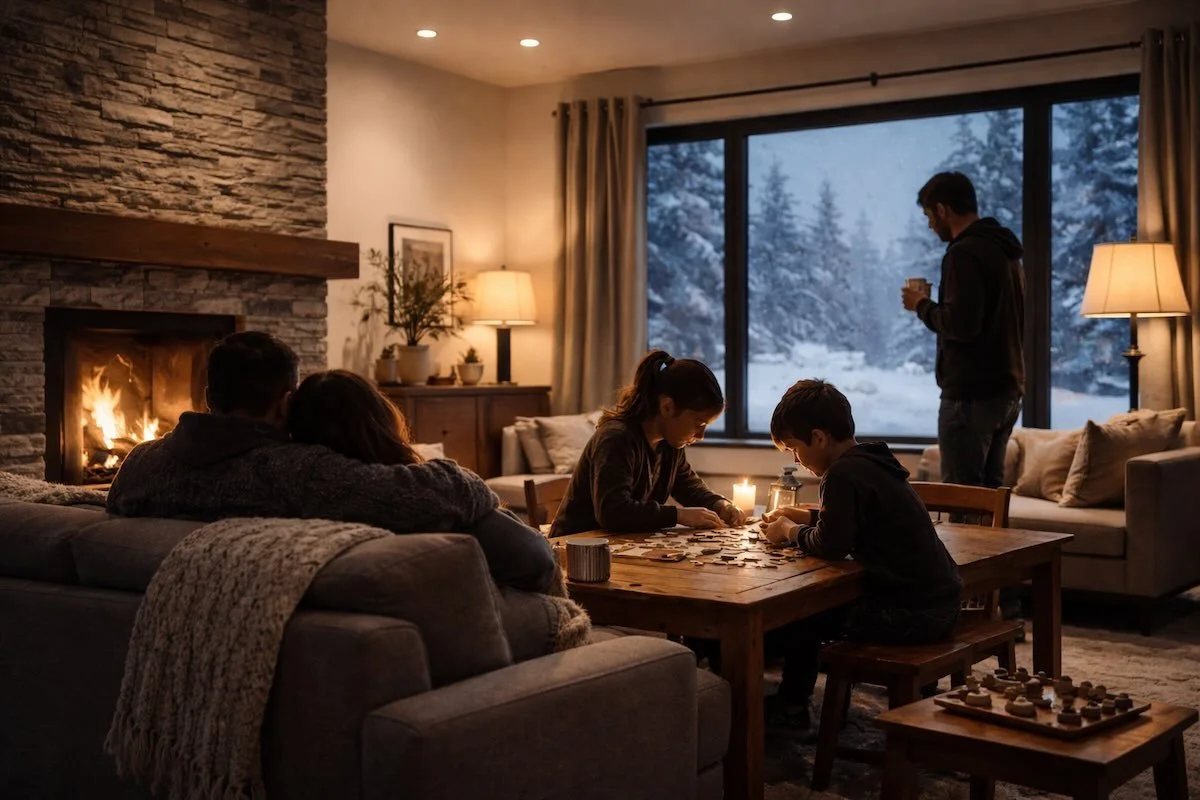
Why the “together time” mindset is taking over winter travel
Families are noticing that the best parts of a trip often happen in the in between moments. Hot chocolate after a cold walk. Cards at the kitchen table. A slow morning where nobody has to rush.
Winter naturally supports this style of travel because it nudges everyone indoors. That creates more chances for shared routines and simple rituals, like cooking, reading, and relaxing by the fire.
Planning winter trips around together time instead of activities can also reduce stress. Fewer reservations means fewer decisions. Fewer transitions means fewer meltdowns. You still do fun things, but the trip is not defined by them.
What this looks like in real planning decisions
The biggest shift is that the lodging becomes the main experience. Families are choosing places that support being together comfortably, not just a place to sleep between outings.
Here are a few planning choices that match this approach:
Picking a cozy stay with a large table for meals and games
Choosing a living room that fits everyone, comfortably
Prioritizing a well equipped kitchen over “close to everything”
Looking for outdoor space that works in winter, like a covered porch
Booking an extra night to avoid feeling rushed
Notice how none of these are “activities.” They are comfort decisions that make together time easier.
Designing a winter itinerary with space, not pressure
A good togetherness trip still benefits from structure. The difference is that the structure protects downtime.
The “one anchor a day” approach
Instead of scheduling a full slate, choose one anchor each day. It might be a snowshoe loop, a scenic drive, or a low key afternoon in town. Everything else stays flexible.
This helps families stay present. It also keeps you from feeling like you “missed” something when winter weather changes plans.
Plan for the return, not just the outing
In winter, the best moment can be what happens after you come back inside. Warm showers. Cozy socks. A shared meal. When you plan the day, leave enough time for those returns to feel slow.
Simple together time ideas that do not feel like “activities”
Families often want ideas that create closeness without adding effort. Think small, repeatable moments that fit your space.
A few that tend to work well in winter:
A family dinner that everyone helps with, even in small ways
A nightly game or puzzle tradition
A short walk at the same time each day, weather permitting
A screen free hour with music, books, and snacks
You do not need a packed plan. You need a rhythm.
Common pitfalls, and how to avoid them
This style of travel can still go sideways if the basics are not planned.
Overcommitting is the most common issue. Even “fun” plans can feel heavy when everyone is bundled, hungry, and tired. Build in buffers between anything that requires leaving the house.
Another pitfall is choosing a place that looks good, but does not live well. A beautiful space is not always comfortable for families. Before booking, think about seating, bathrooms, kitchen flow, and where coats and boots can dry.
Finally, do not underestimate winter logistics. Roads, parking, and daylight matter. A shorter drive to one great spot can beat three stops that feel rushed.
FAQ
How do we keep kids engaged without a full schedule?
Bring one or two familiar items, like a card game or a small craft. Then lean on routine. Consistent meal times and simple traditions go far.
What is a realistic amount to plan for a winter weekend?
One outing per day is usually plenty. Leave the rest open for rest, meals, and whatever the weather allows.
How do we choose the right place to stay for together time?
Look for comfortable shared spaces, a kitchen you will actually use, and enough room to spread out. Comfort reduces friction.
Closing thoughts
Winter trips for families can feel richer when the goal is time together, not a perfect itinerary. When you plan around comfort, rhythm, and flexibility, you give everyone space to connect. The memories tend to come naturally.